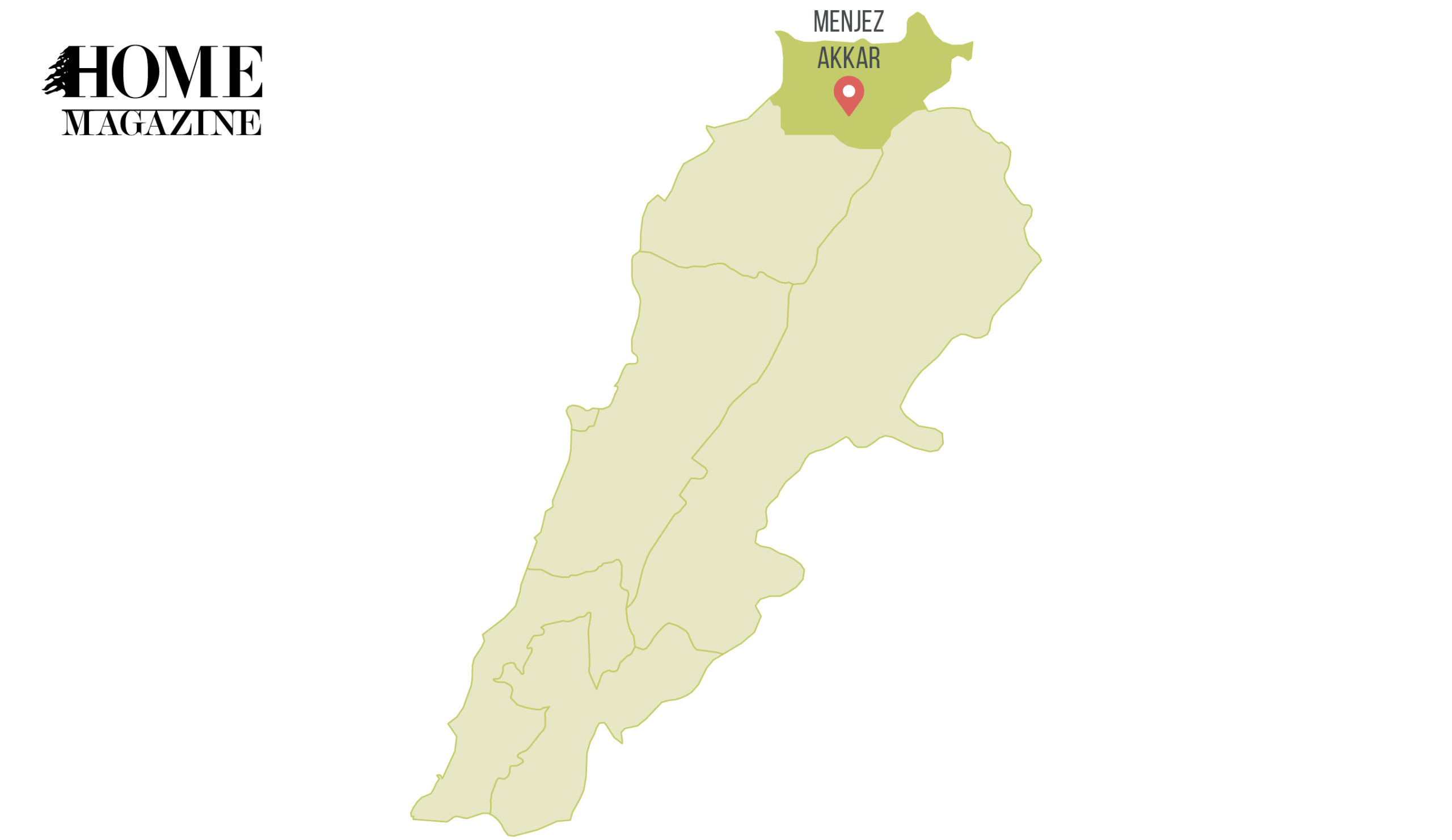
Like the rest of Lebanon, Kfarmishki is a tale of two worlds. One sits firmly on top of a little hill on the southern edge of West Bekaa, also known as Wadi el Taym, with a little more than 400 indigenous inhabitants. The other is scattered several time zones away mostly across the Americas, with a diaspora many times the population back HOME. Like Lebanon, Kfarmishki suffers from an identity crisis that ebbs and flows with history and neighboring crises. But like the rest of Lebanon too, Kfarmishki has far more to offer than its tiny size and population would otherwise suggest.
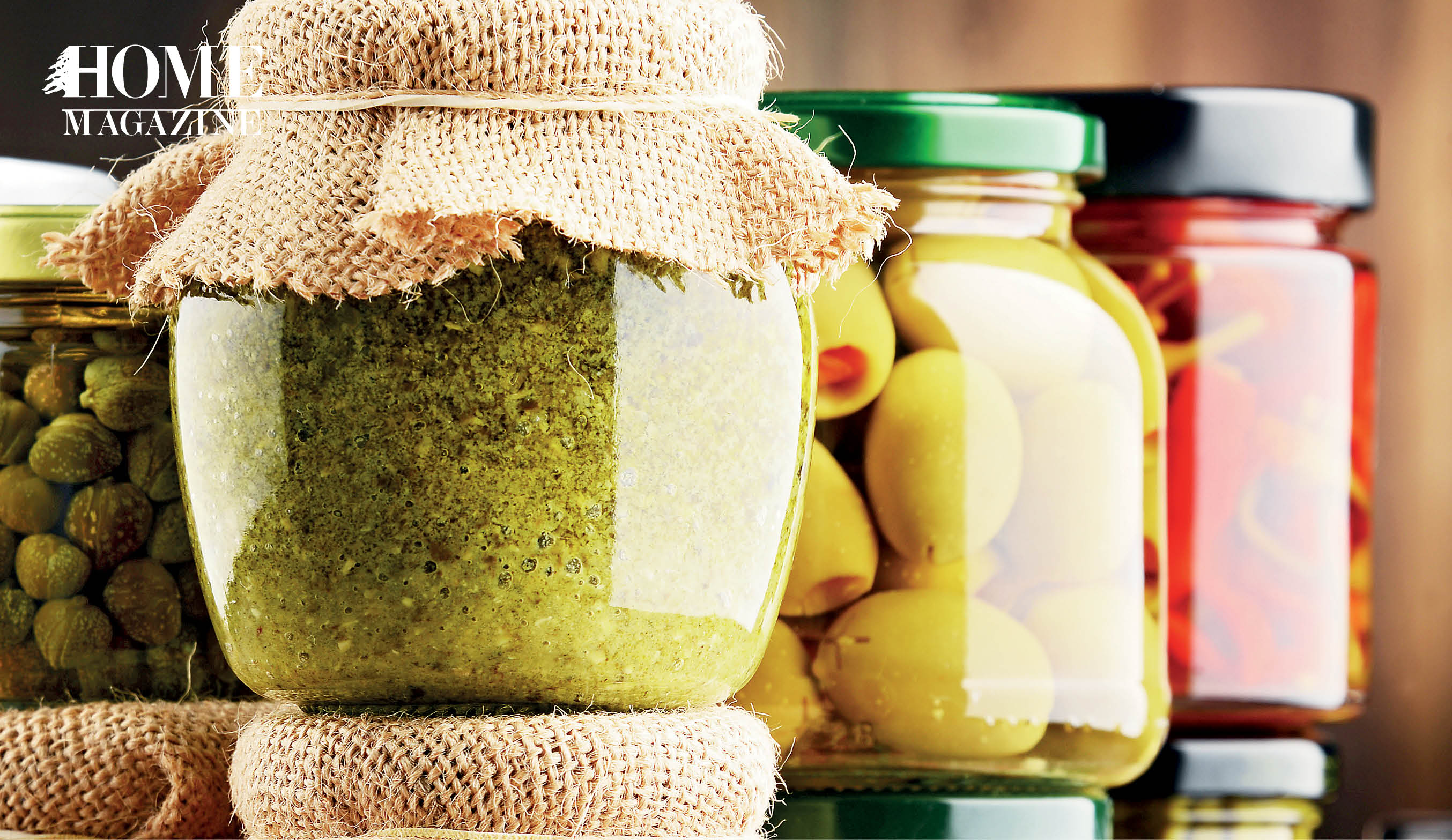
Nested on a hilltop 1300 meters above sea level, Kfarmishki enjoys a micro-climate and soil so rich that make its olives, grapes and apple orchards—to name a few—seem like gifts from God. For the second year in a row, a festival was held in the village to display amazing mouneh varieties (food stuffs and ingredients) in a market. The atmosphere attracts people from across the country, in the midst of the grape harvest season and to the sounds of dabke dance and modern saxophone side-by-side. Having organized itself around its mouneh heritage, Kfarmishki went on to be represented in the Badaro Urban Farmers Market every other Sunday. Others include Taanayel, Baskinta, downtown Beirut and more.
Yet just as agriculture took a back seat in the rest of the country, so did farming in this little village, pushing many to seek better prospects in cities far away… as far as Ottawa and Montreal where emigration from Kfarmishki runs back to the 19th century. Pushed by war and famine, many people had to shed their farming past and convert to the food and beverage business, but with nice success stories to tell. Canada opened its arms then, and still does today, with immense generosity and hospitality. Some of these people and their descendants return every year to Kfarmishki, open up their houses and inspect their lands. But most have forgotten and leave behind magnificent old houses in ruin and empty lands begging to be cultivated again. Such is the huge challenge facing Kfarmishki and many towns and villages across Lebanon, little places that define and anchor this wavering identity that Lebanon so badly needs.
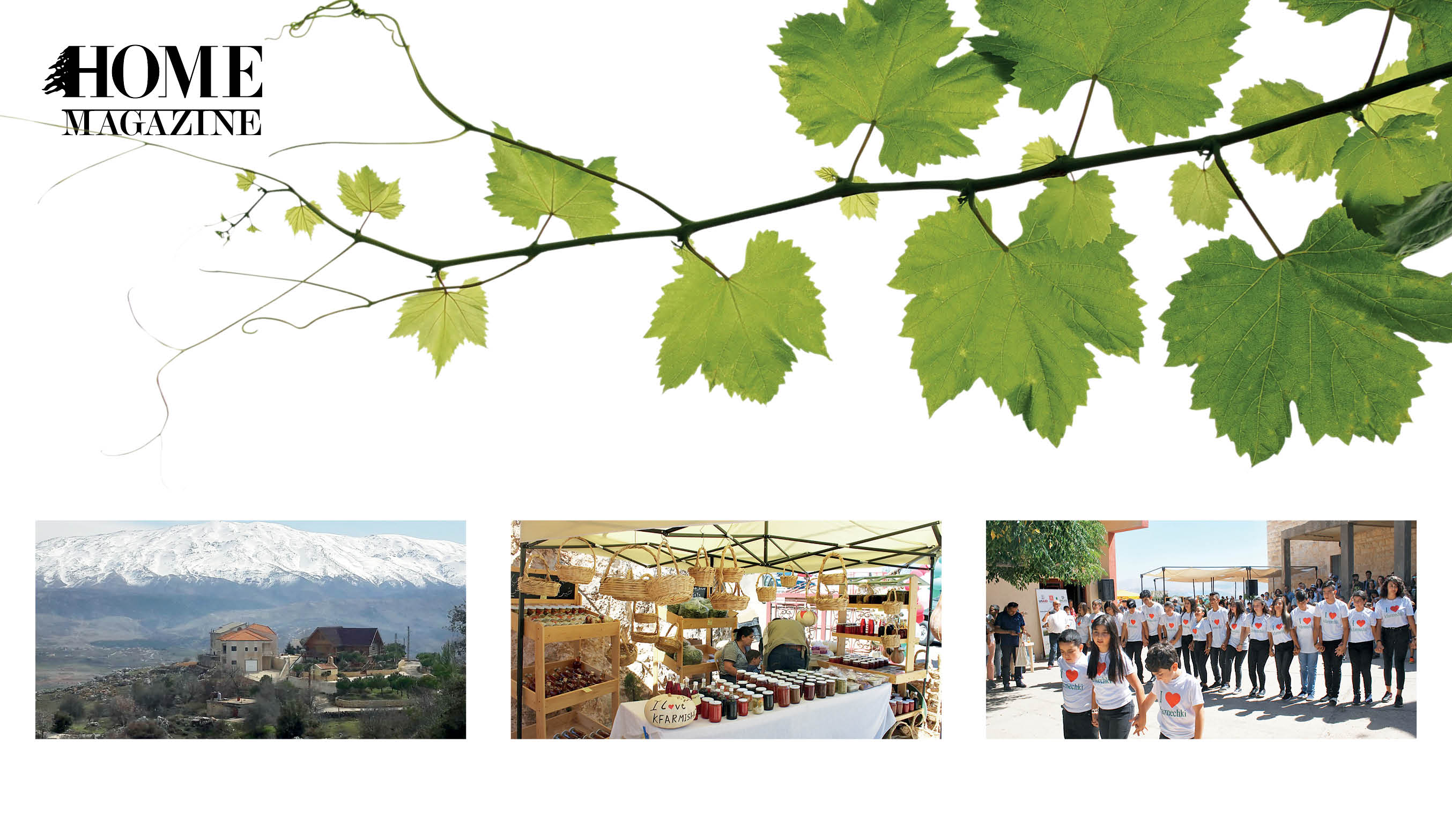
The challenge the diaspora faces, and that I have recognized personally myself, remains: don’t let your roots fade away. Whether you are Canadian, American, Brazilian or Australian, today, this little village of men and women who worked 20 hours a day in the most difficult of conditions to make a decent living shape your genes and provide you with a history to be proud of.
And so Kfarmishki will remain a bridge between two worlds, tiny in size but huge in meaning, a reminder of how a small and isolated village most people have never even heard of can send men and women all over the world to prosper in new lives and integrate in far-away communities perfectly, just like an olive tree merges into its orchard. But roots are what keep the olive tree alive at the end, not the trunk, branches or leaves above.
HOMEland Magazine
We firmly believe that the internet should be available and accessible to anyone, and are committed to providing a website that is accessible to the widest possible audience, regardless of circumstance and ability.
To fulfill this, we aim to adhere as strictly as possible to the World Wide Web Consortium’s (W3C) Web Content Accessibility Guidelines 2.1 (WCAG 2.1) at the AA level. These guidelines explain how to make web content accessible to people with a wide array of disabilities. Complying with those guidelines helps us ensure that the website is accessible to all people: blind people, people with motor impairments, visual impairment, cognitive disabilities, and more.
This website utilizes various technologies that are meant to make it as accessible as possible at all times. We utilize an accessibility interface that allows persons with specific disabilities to adjust the website’s UI (user interface) and design it to their personal needs.
Additionally, the website utilizes an AI-based application that runs in the background and optimizes its accessibility level constantly. This application remediates the website’s HTML, adapts Its functionality and behavior for screen-readers used by the blind users, and for keyboard functions used by individuals with motor impairments.
If you’ve found a malfunction or have ideas for improvement, we’ll be happy to hear from you. You can reach out to the website’s operators by using the following email
Our website implements the ARIA attributes (Accessible Rich Internet Applications) technique, alongside various different behavioral changes, to ensure blind users visiting with screen-readers are able to read, comprehend, and enjoy the website’s functions. As soon as a user with a screen-reader enters your site, they immediately receive a prompt to enter the Screen-Reader Profile so they can browse and operate your site effectively. Here’s how our website covers some of the most important screen-reader requirements, alongside console screenshots of code examples:
Screen-reader optimization: we run a background process that learns the website’s components from top to bottom, to ensure ongoing compliance even when updating the website. In this process, we provide screen-readers with meaningful data using the ARIA set of attributes. For example, we provide accurate form labels; descriptions for actionable icons (social media icons, search icons, cart icons, etc.); validation guidance for form inputs; element roles such as buttons, menus, modal dialogues (popups), and others. Additionally, the background process scans all the website’s images and provides an accurate and meaningful image-object-recognition-based description as an ALT (alternate text) tag for images that are not described. It will also extract texts that are embedded within the image, using an OCR (optical character recognition) technology. To turn on screen-reader adjustments at any time, users need only to press the Alt+1 keyboard combination. Screen-reader users also get automatic announcements to turn the Screen-reader mode on as soon as they enter the website.
These adjustments are compatible with all popular screen readers, including JAWS and NVDA.
Keyboard navigation optimization: The background process also adjusts the website’s HTML, and adds various behaviors using JavaScript code to make the website operable by the keyboard. This includes the ability to navigate the website using the Tab and Shift+Tab keys, operate dropdowns with the arrow keys, close them with Esc, trigger buttons and links using the Enter key, navigate between radio and checkbox elements using the arrow keys, and fill them in with the Spacebar or Enter key.Additionally, keyboard users will find quick-navigation and content-skip menus, available at any time by clicking Alt+1, or as the first elements of the site while navigating with the keyboard. The background process also handles triggered popups by moving the keyboard focus towards them as soon as they appear, and not allow the focus drift outside it.
Users can also use shortcuts such as “M” (menus), “H” (headings), “F” (forms), “B” (buttons), and “G” (graphics) to jump to specific elements.
We aim to support the widest array of browsers and assistive technologies as possible, so our users can choose the best fitting tools for them, with as few limitations as possible. Therefore, we have worked very hard to be able to support all major systems that comprise over 95% of the user market share including Google Chrome, Mozilla Firefox, Apple Safari, Opera and Microsoft Edge, JAWS and NVDA (screen readers).
Despite our very best efforts to allow anybody to adjust the website to their needs. There may still be pages or sections that are not fully accessible, are in the process of becoming accessible, or are lacking an adequate technological solution to make them accessible. Still, we are continually improving our accessibility, adding, updating and improving its options and features, and developing and adopting new technologies. All this is meant to reach the optimal level of accessibility, following technological advancements. For any assistance, please reach out to