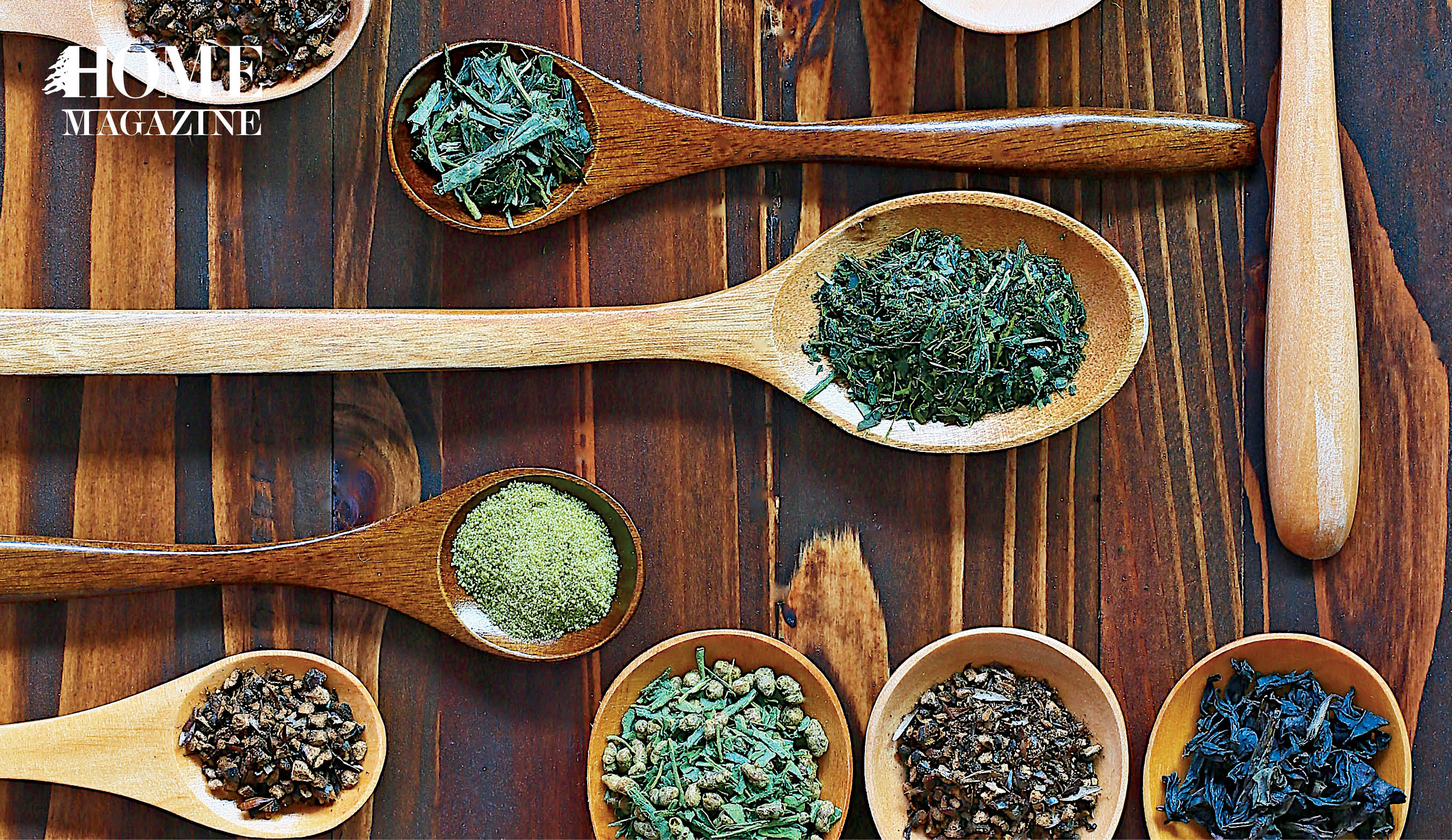
Inhale. The fragrance alone entices you, stirs the senses. Whether its color is distinctly dark red, yellow, green, pink, or amber, tea is synonymous with magic. Complexity. Joy. Comfort. Health. Although tea, a universal hot beverage adored the world over, is enjoyed year-round, there’s no greater comfort in the dead of winter, when the wind is blowing outside and the rain is pattering the windows, than snuggling up with a nice cup of tea. Sipping and slurping it through pursed lips, you’re filled with an overwhelming peace. Like poetry, flowing from rim to tongue, singing its sweet and bitter symphony of flavors, petals and herbs, coexisting in intimate harmony.
Legend dictates that, around 2737 B.C., Chinese emperor Shen Nong discovered the medicinal, rejuvenating, and refreshing properties of tea while boiling a pot of water in the shade of a Camellia Sinensis tree. A few stray leaves inadvertently landed in the cauldron and began to steep, creating a rich new color. The aromatic flavor stimulated his palate, amplified his energy, and increased his concentration. This is one of many myths surrounding the genesis of tea. Over the years, tea migrated to Japan, Taiwan, India, Ethiopia, Turkey, Morocco, Iran, and the United Kingdom. Its popularity, in turn, expanded on a global scale.
The Lebanese have their own special ritual for drinking tea. This ceremony goes hand-in-hand with one of our most fundamental attributes: our hospitality.
Natural tea is classified into four main categories: white, green, oolong, and black, depending on oxidation time, or the reaction of enzymes in the tea tree cells as they’re exposed to oxygen. It’s key to identifying the different tea families, and in turn, transforming the color, quality, flavor, perfume, and health benefits. Some, like white teas, are pale, porcelain and champagne-colored with a light, sweet, velvety texture, while black teas, like the Ceylon, Darjeeling, and Pu-Erh varieties are coppery-red in color and are the most rigorously oxidized and strongest in flavor. The leaves undergo lots of twisting and rolling to release the natural juices.
Loose tea leaves are more beneficial and stronger in flavor than teabags because they can expand freely in hot water. Whatever its form, tea is often considered a magic potion, with the physical, mental, and emotional healing powers associated with it. Water, heated to just the right temperature, is the cornerstone of this remarkable concoction. Lebanon’s tea-drinking culture is rich in composition, sentiment, history, and medicinal properties, as these 12 common brews will show.
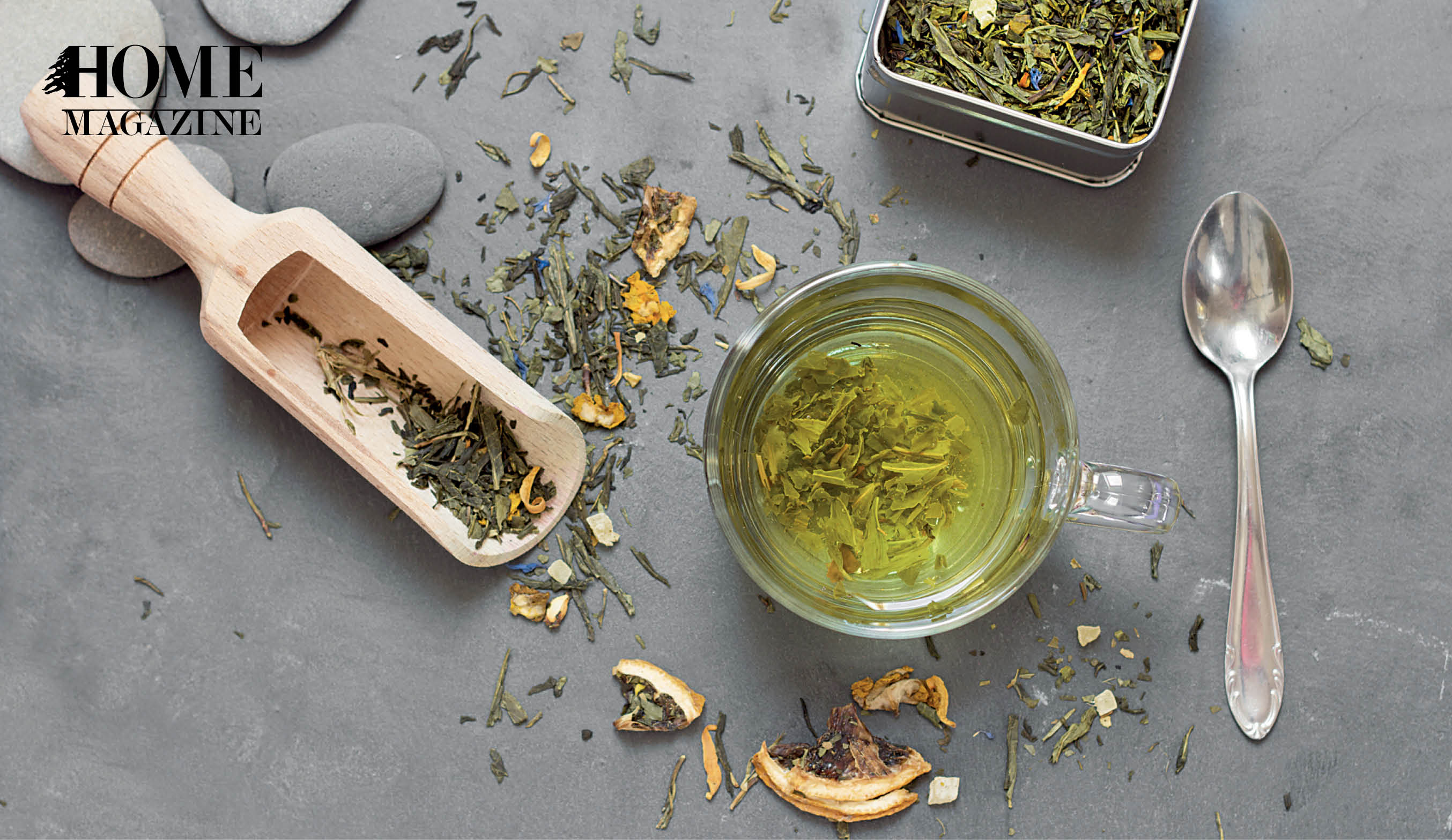
Green tea, an unoxidized tea with a slight honeysuckle sweetness, contains polyphenols that act as powerful antioxidants which lower cholesterol, help metabolize fats, reduce blood pressure and regulate blood sugar. It is also a heart stimulant that helps prevent cardiovascular disease, colds, flu and viruses and is a mild decongestant against respiratory problems. Green tea is very high in fluoride, which helps prevent tooth decay and fights gum disease. It contains mild levels of caffeine, aiding alertness and concentration.
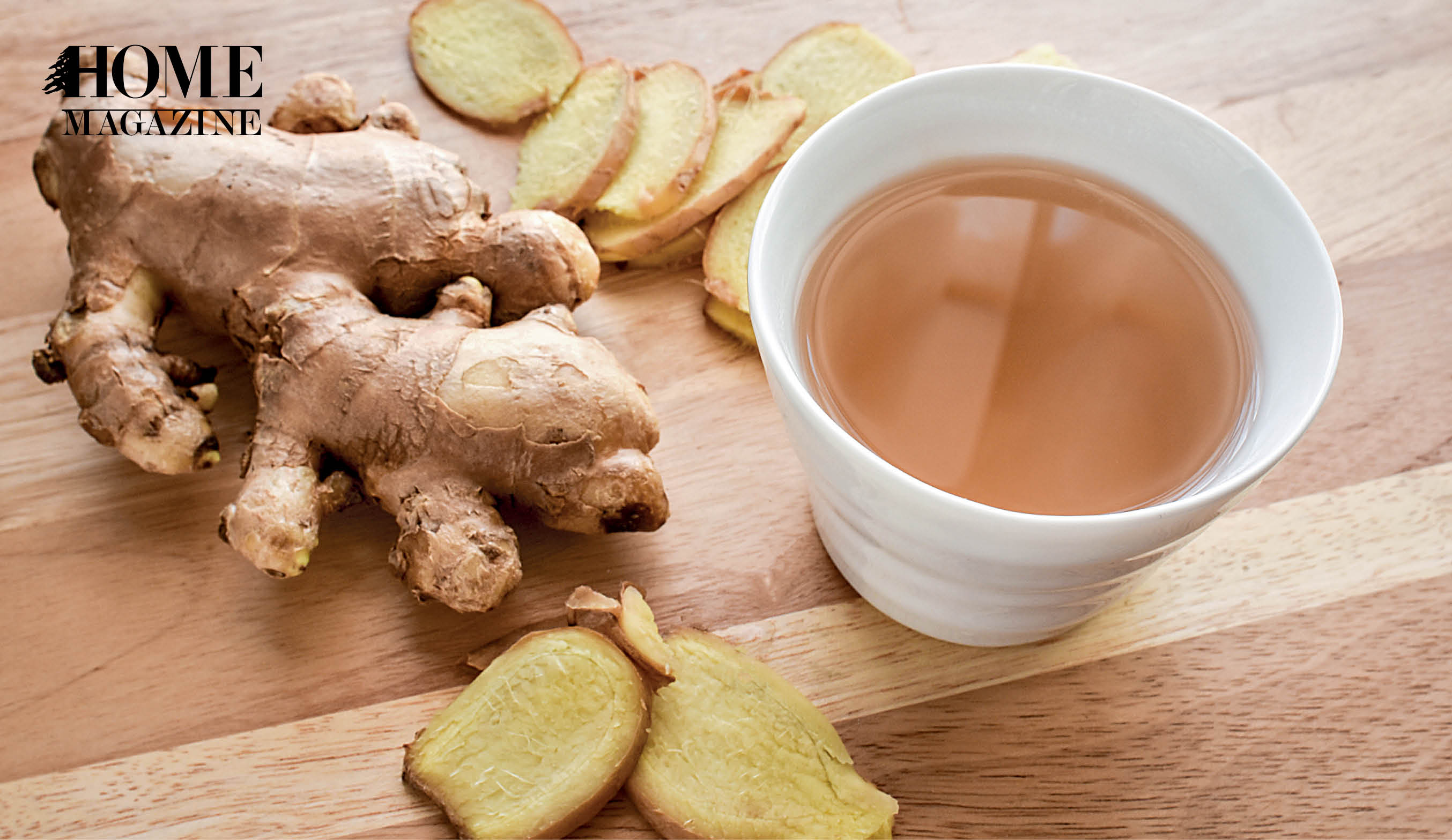
Ginger root tea is an effective remedy against arthritis, rheumatism, osteoporosis and gout. Ginger root warms the body from head to toe, which helps heart health by increasing blood flow and circulation to cleanse toxins from the body. This magic root also prevents blood clotting, stabilizes blood pressure, reduces the risk of heart attacks and strokes and stops nausea and motion sickness. It stimulates saliva and increases metabolic heat to burn calories and control weight.
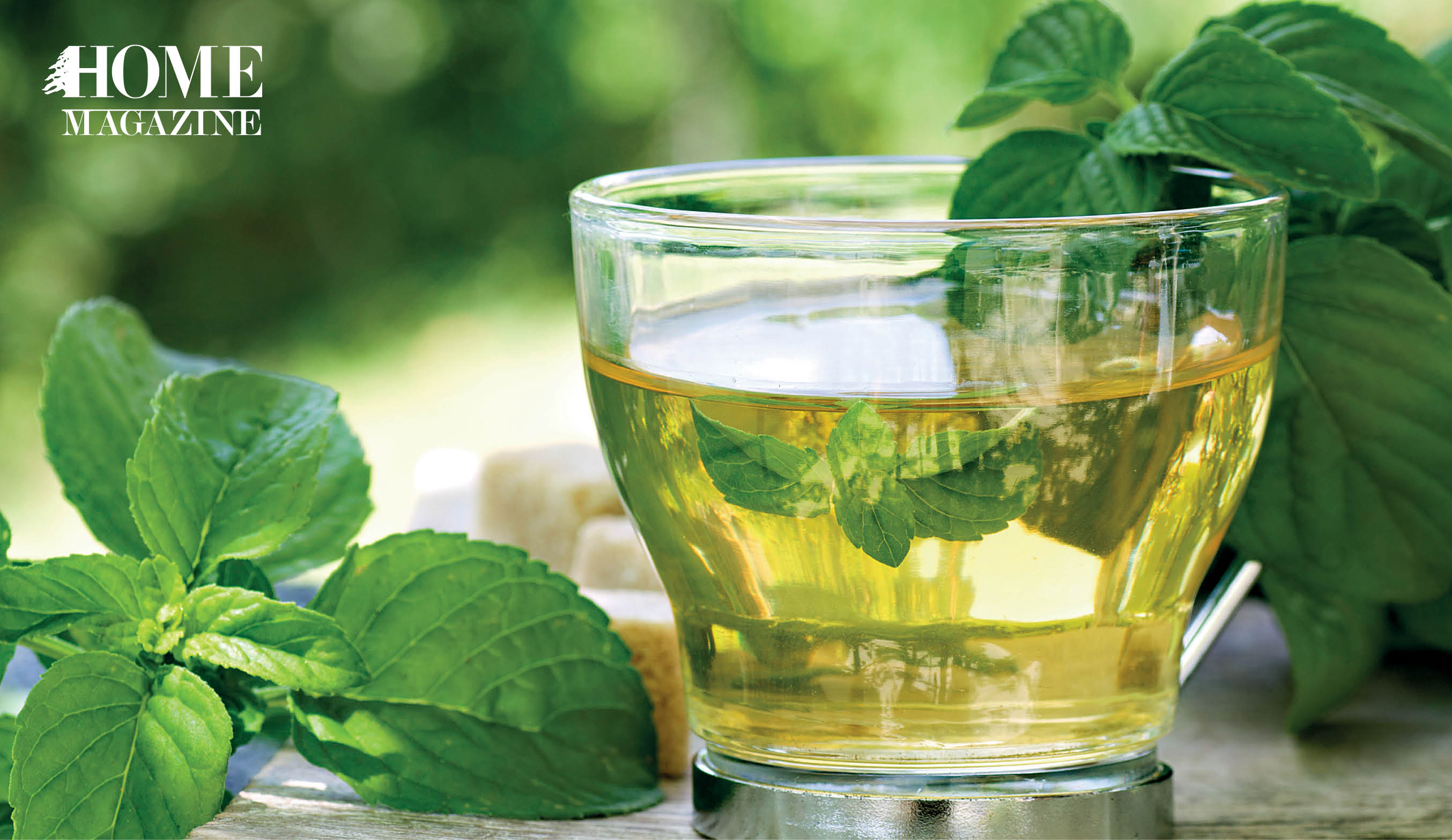
Mint (Naa’na) tea is a common antidote to body odor and boosts immunity. It is an antiseptic and anesthetic for toothaches and cavities. Mint tea leaves contain mentha, which acts as an aspirin substitute to help with minor aches and pains, soothes sore throats, chest, nasal and sinus congestion and gastric ulcers. Mint tea also helps cure laryngitis and bronchitis, relieve nervous tension, stress and stomach cramps.
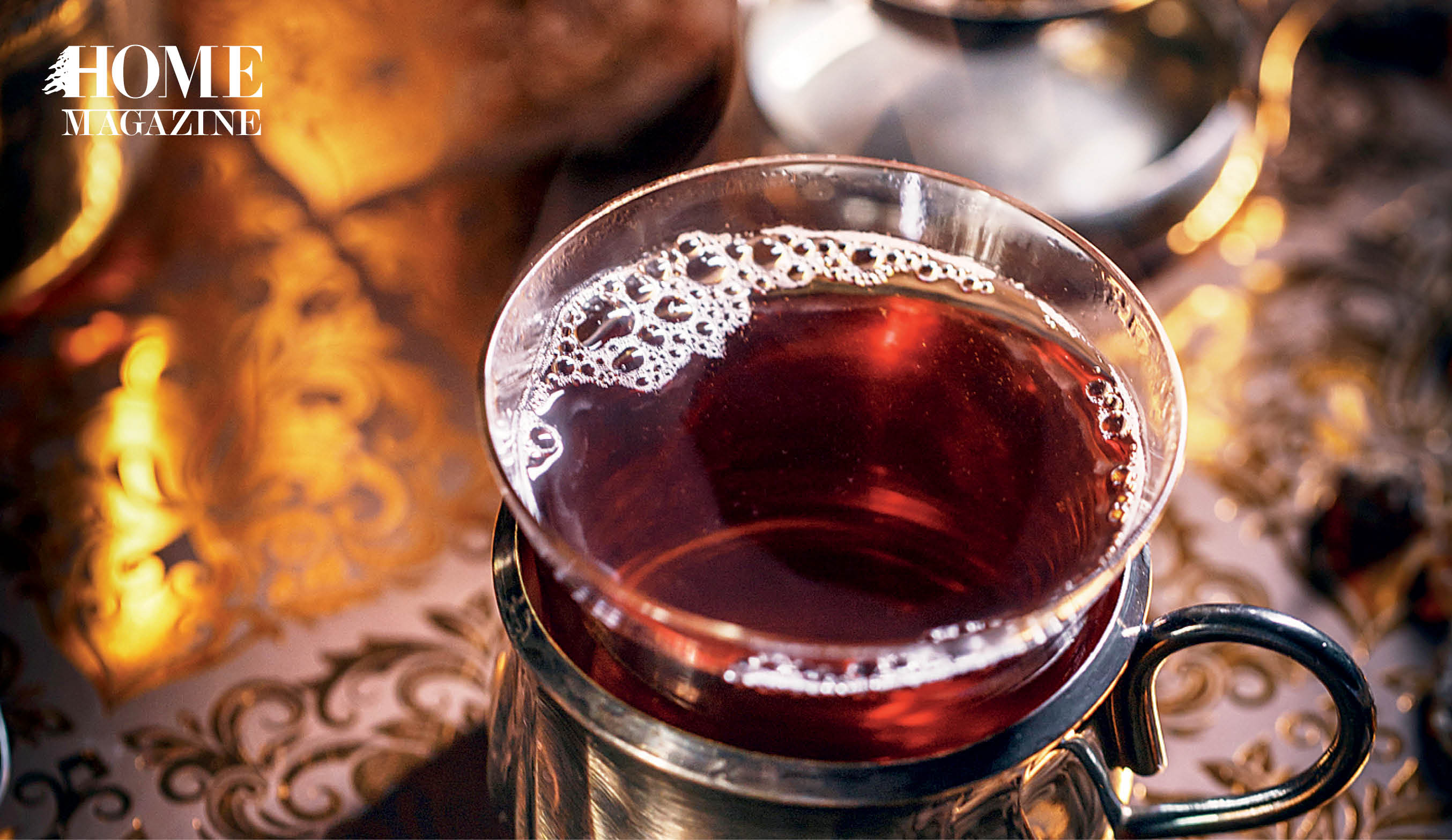
Black Tea consists of orange pekoe and fresh-pressed pekoe-cut black tea leaves. In addition to hydrating our bodies, improving our focus and increasing alertness, black tea flushes out toxins from our systems, aids in weight control, helps support cardiovascular health and maintains healthy blood vessel function.
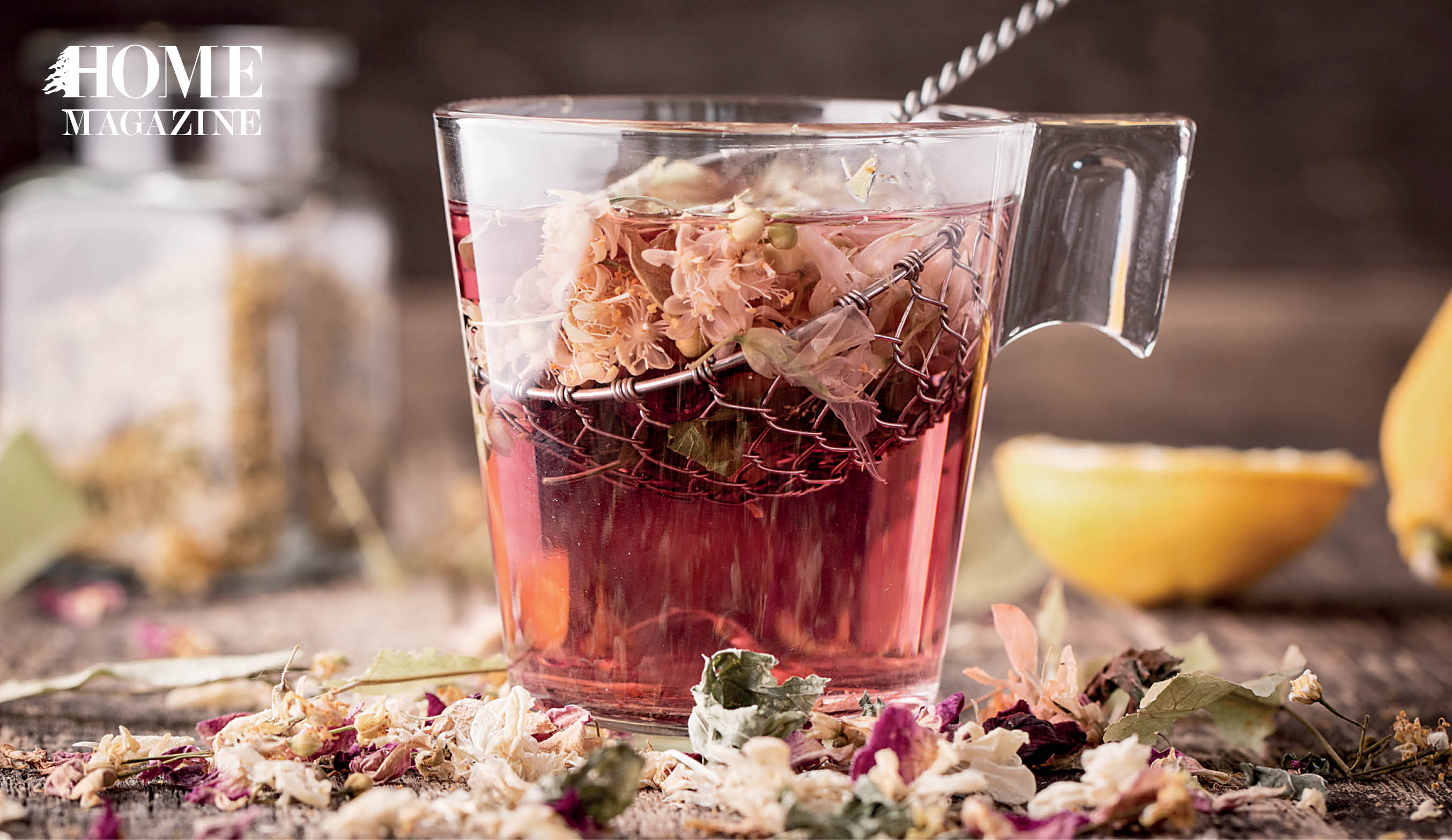
Zhourat, one of the most multifaceted and famous teas in Lebanon, comprises more than 70 ingredients, like chamomile flowers, rose petals, hibiscus, thyme, rosemary, sage, marshmallow leaf and root, lavender and lemon flowers. An excellent source of vitamin C, zhourat helps treat stomachaches, asthma, pain and helps prevent bacterial infections. It reduces fever, relaxes the body, calms the nerves, relieves stress, anxiety, depression, mood swings and helps prevent insomnia. The lavender in the blend induces sweating, which detoxes the body and alleviates headaches and migraines.
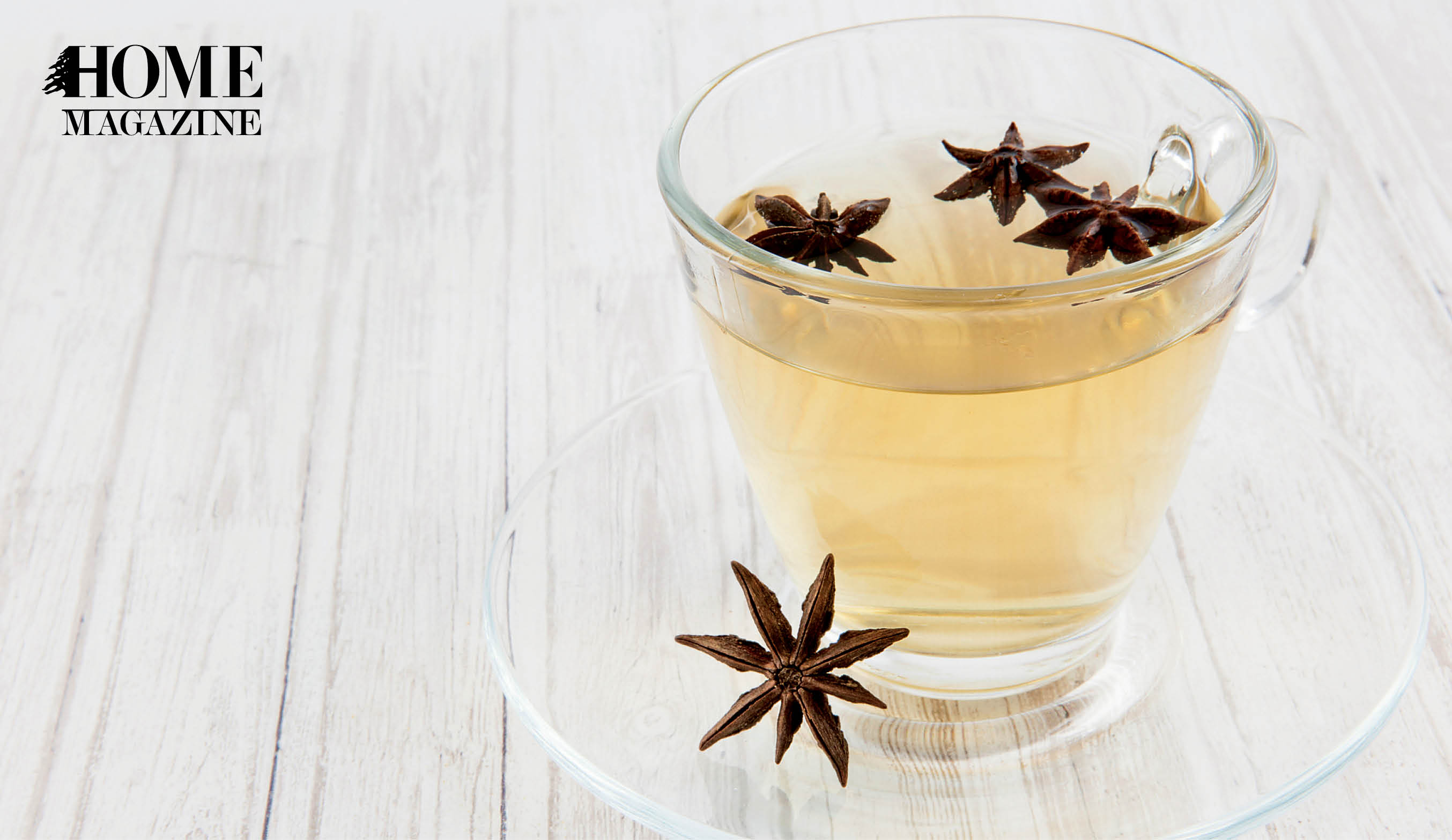
Yansoon, or star anise seed tea, has a distinct licorice flavor that sweetens the breath. Yansoon acts as a powerful stimulant, diuretic, and antiseptic. It’s primarily known by women to relieve menstrual cramps and hot flashes, brought on by menopause, but it also improves digestion, reduces flatulence and bloating and mildly treats stomach ulcers. Yansoon helps lower blood sugar and reduces the onset of epilepsy and mortality of seizures. It aids dry bronchial and asthmatic coughs. Anise seeds can also be used externally to reduce the appearance of wrinkles.
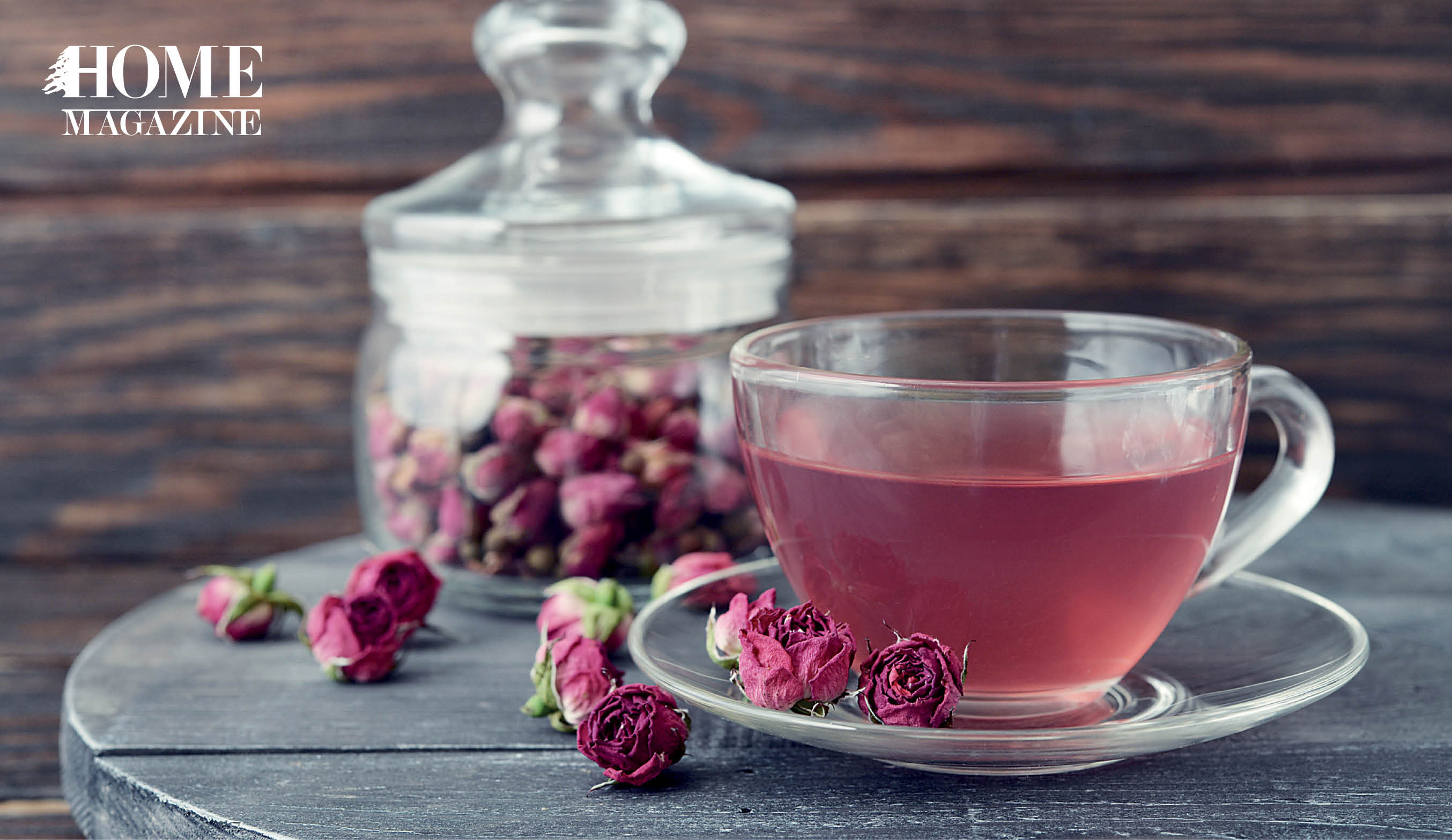
Rose tea is made from earl grey black tea, lemon juice, rose water, honey, rose hips and petals. Hydrating the skin and relieving tension, rose hips are believed to have wondrous anti-aging elements. Rose tea cleanses the respiratory tract by clearing mucous congestion, protects the urinary tract from infection, protects against disease and helps speed up the body’s natural defense against colds and viruses. Additionally, rose tea strengthens our muscles and bones, heals tissue, and helps repair and regenerate cells. Not surprisingly, it is also a powerful aphrodisiac, blood tonic, hormone regulator and antidepressant.
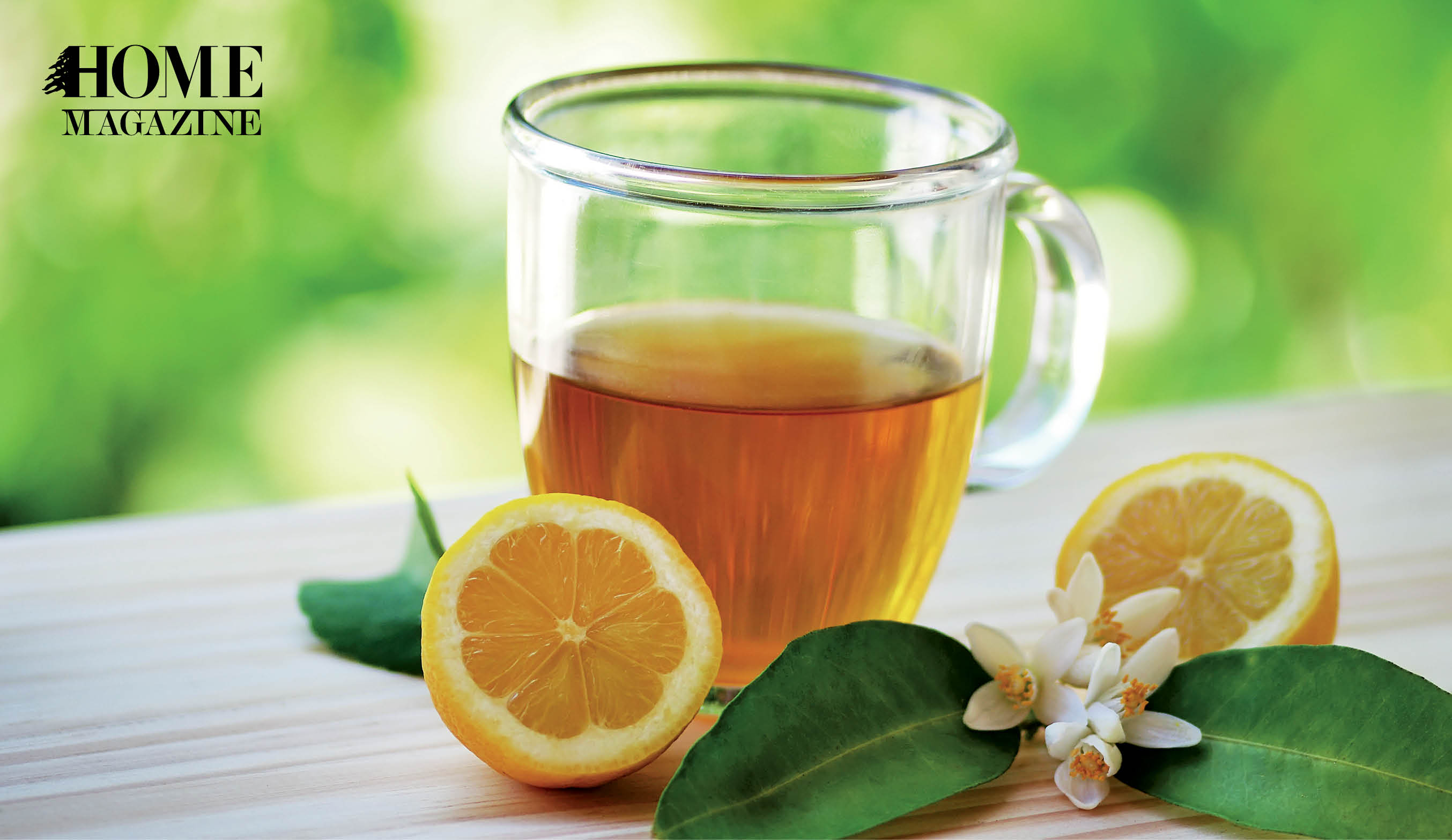
Orange blossom with cinnamon tea helps dissolve kidney stones and eases digestive distress like bloating, indigestion and constipation. The citrus in the orange contains vitamins A, B and C, as well as flavonoids that help remove phlegm. The inner bark of a cinnamon stick is used as an antiseptic to fight bacteria, viruses, fungal and yeast infections. It also aids in digestive health, works as an anesthetic to calm nerves and treat colds, chills, arthritis and rheumatism.
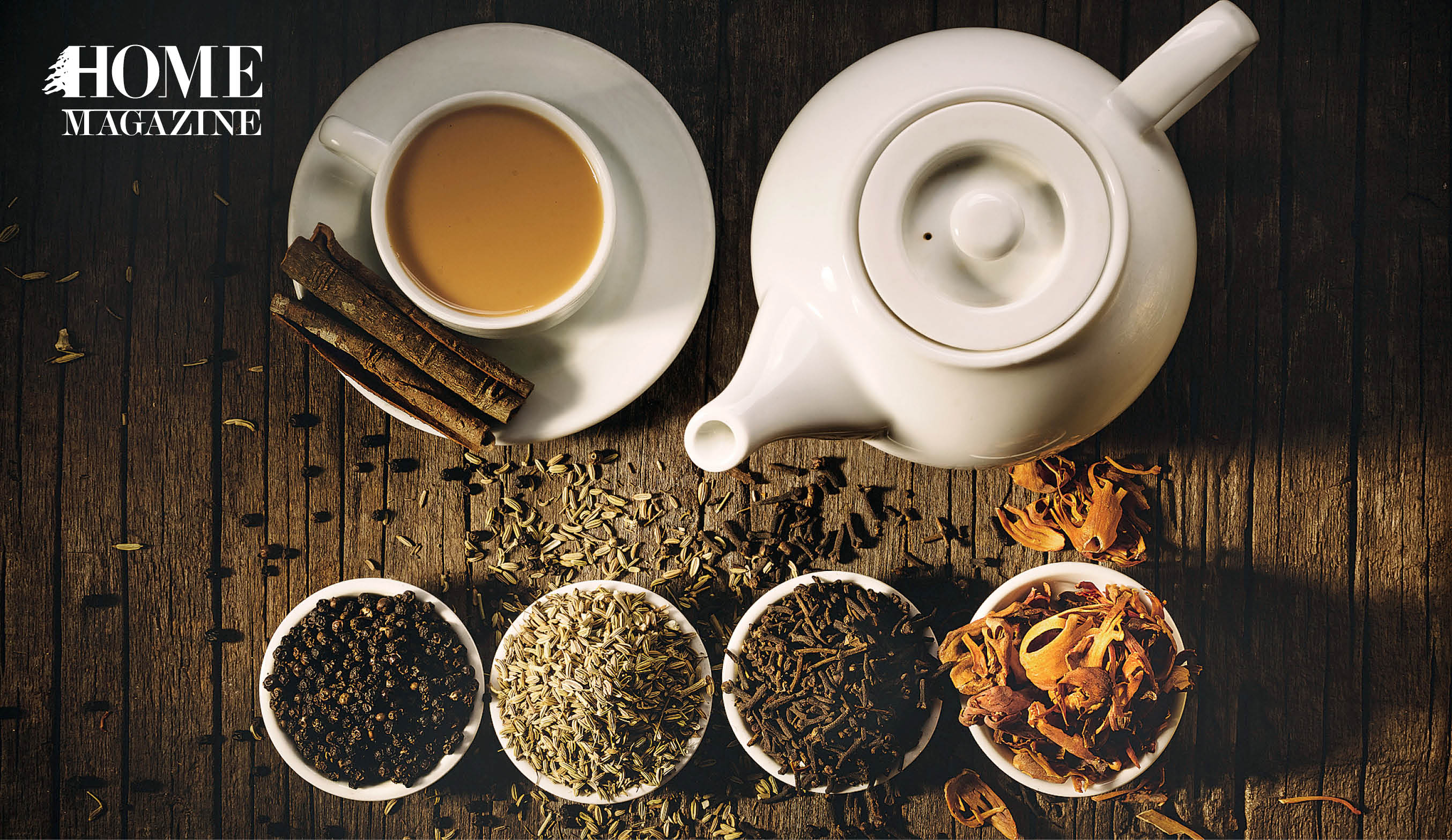
Meghli chai, or spice tea, gets its name from traditional meghli, a special spiced pudding topped with pistachios, walnuts, almonds and pine nuts, served to neighbors and relatives when a baby is born. Composed of allspice, honey, turmeric, anise seed, cinnamon, cloves and grated ginger, this tea boosts immunity, helps ward off diseases, strengthens mucous membranes, aids kidney and liver function and reduces blood pressure. Acting as a pain reliever, this combination of spices calms emotions, reduces depression and relieves nausea and gastric distress.
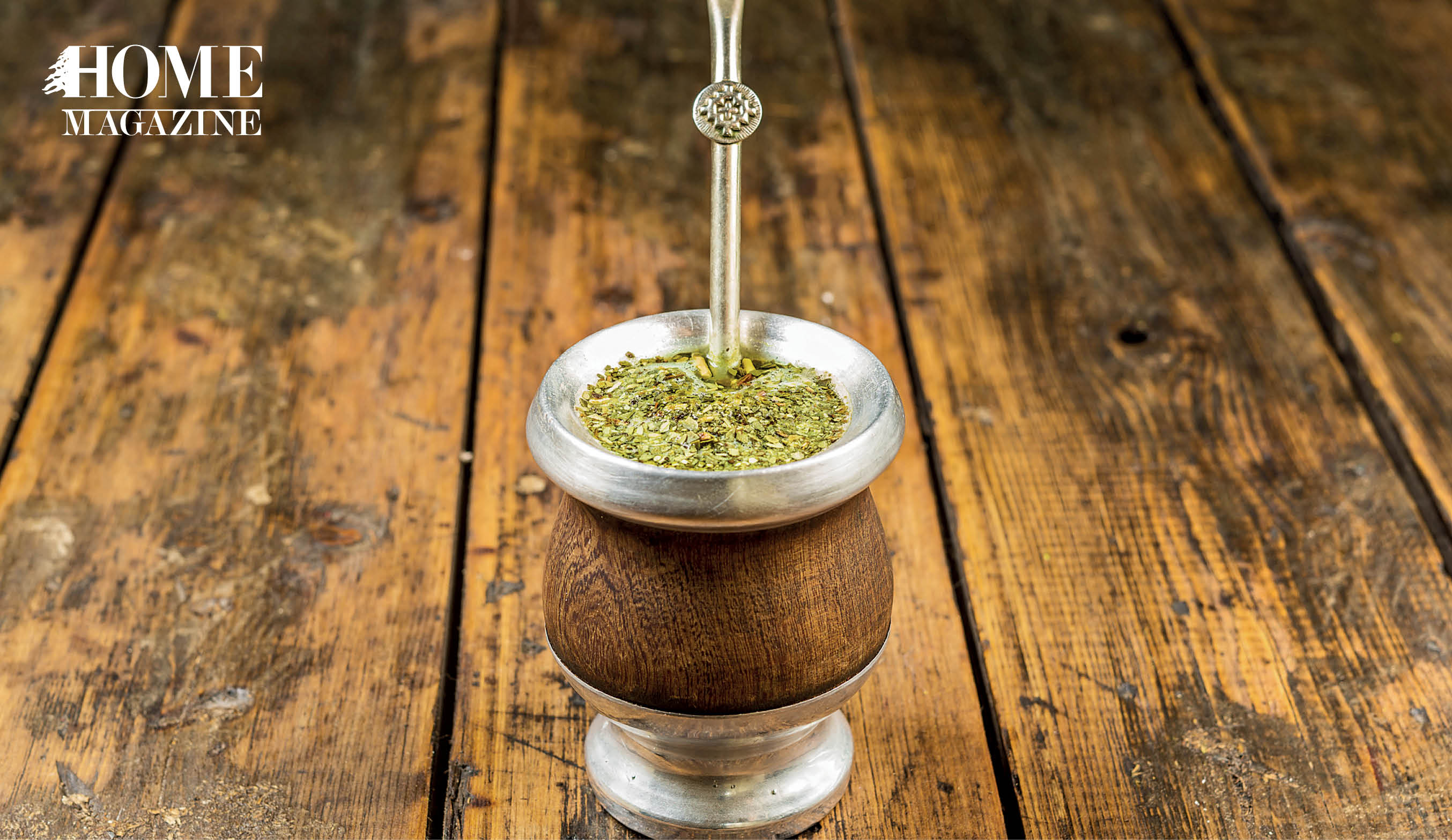
Yerba Mate, pronounced Yur-Ba Ma-tay, which stems from South America’s rainforest holly tree called Ilex paraguariensis, is a traditional tea drunk by Druze communities. The dry grassy leaves have valuable stimulant, diuretic, laxative and rejuvenating properties. Yerba Mate is known as a physical and mental energy tonic because it improves memory and concentration, delays lactic acid buildup during strenuous exercise, boosts metabolism, and fights fatigue. The leaves help soothe the spine and nerves, as well as build resistance to stress. Yerba Mate is also an interesting stimulant for the adrenal cortex and improves sexual energy.
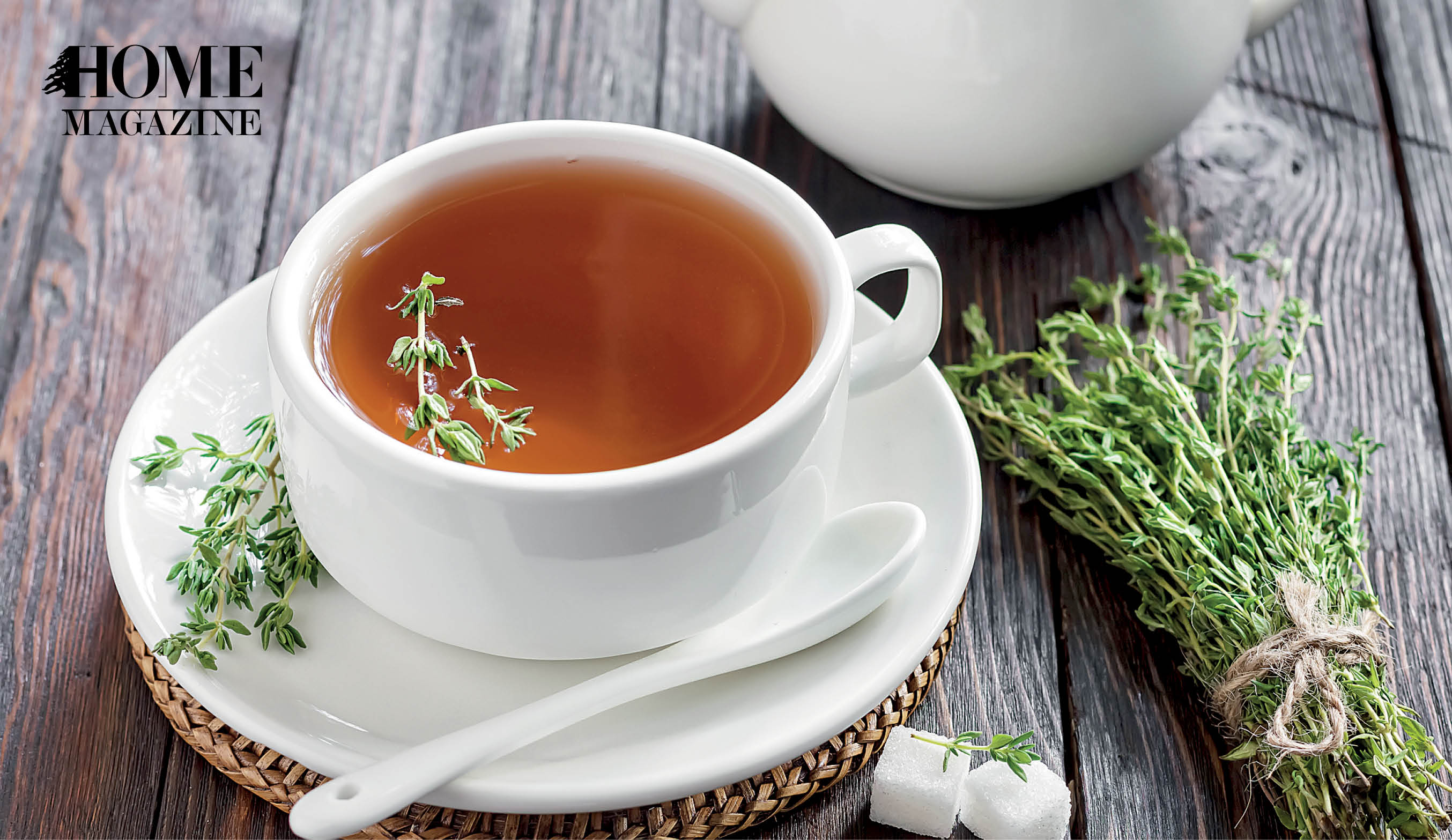
Thyme is the herb used to make zaatar, a common spice in Lebanese cuisine, but thyme sprigs can also be steeped in water for a tea that strengthens the respiratory tract, opens the bronchial tubes and decongests the chest. Thyme is one of the most powerful antiseptic herbs as it helps with skin infections like parasites, keeps the urinary tract and kidneys healthy from infection, aids in the treatment of uterine disorders and can be used to treat fungal infections in the mouth, throat and nose.

Cardamom tea, made from cardamom pods, black peppercorns, cloves, cinnamon sticks, black tea leaves, peeled ginger and honey, possesses analgesic and anti-inflammatory properties, helps detoxify the body, optimizes digestion and heals respiratory issues. Cardamom helps with iron deficiency, dandruff, obesity, constipation, diarrhea, heartburn, liver toxicity and hypertension. By far the most important properties of this magical herb, however, are the volatile compounds in the seeds that help prevent cancerous cells and tumors from growing.



HOMEland THEMES
Coming Soon
HOMEland Events & Collaborations
Coming Soon
 Signature Boutique