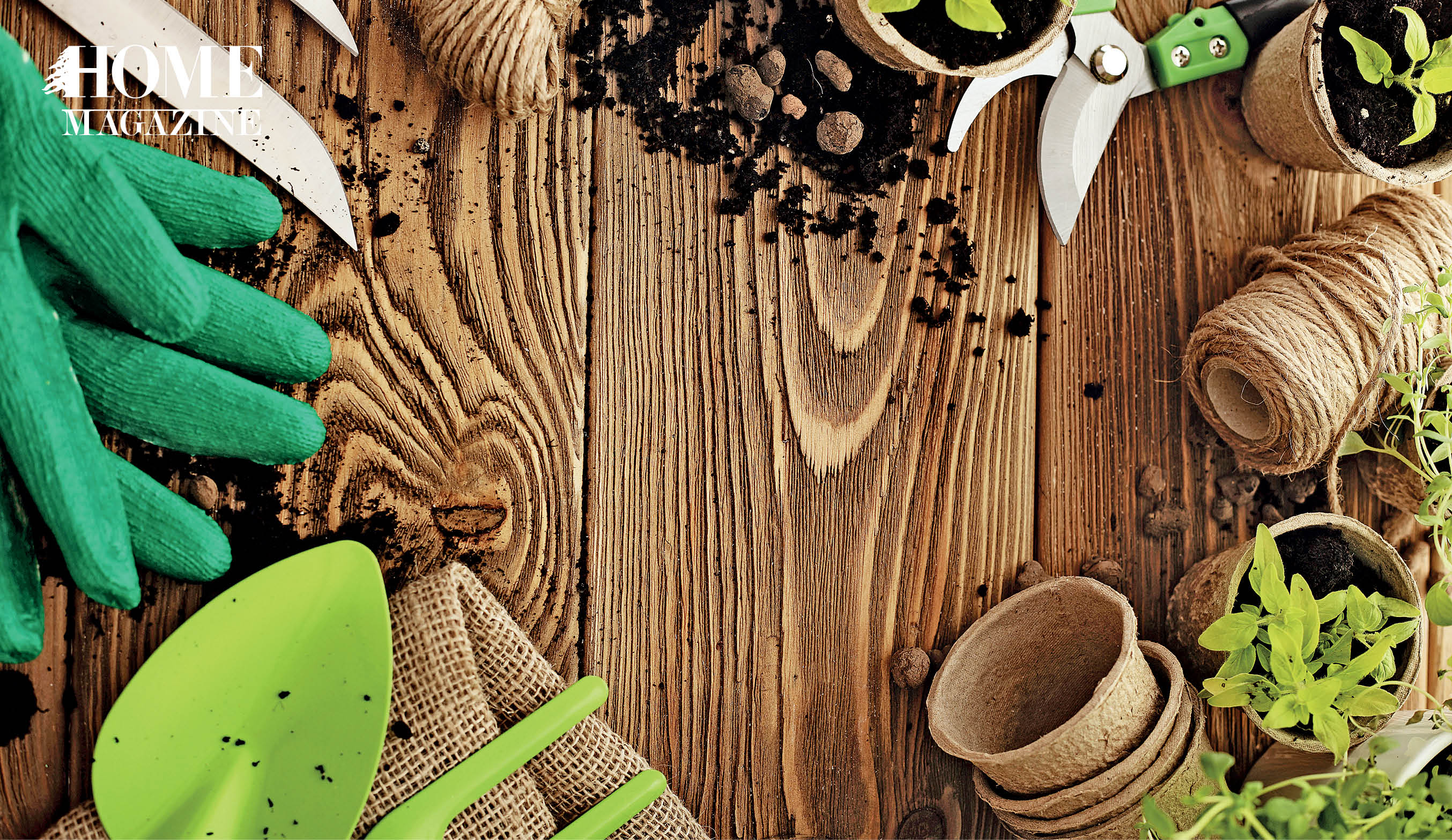
Growing food is one of the most purposeful and important activities a human can do. In addition to stress relief, access to sunlight, improved mood and connection with the land, gardening helps us thrive and nourish and maintain our health.
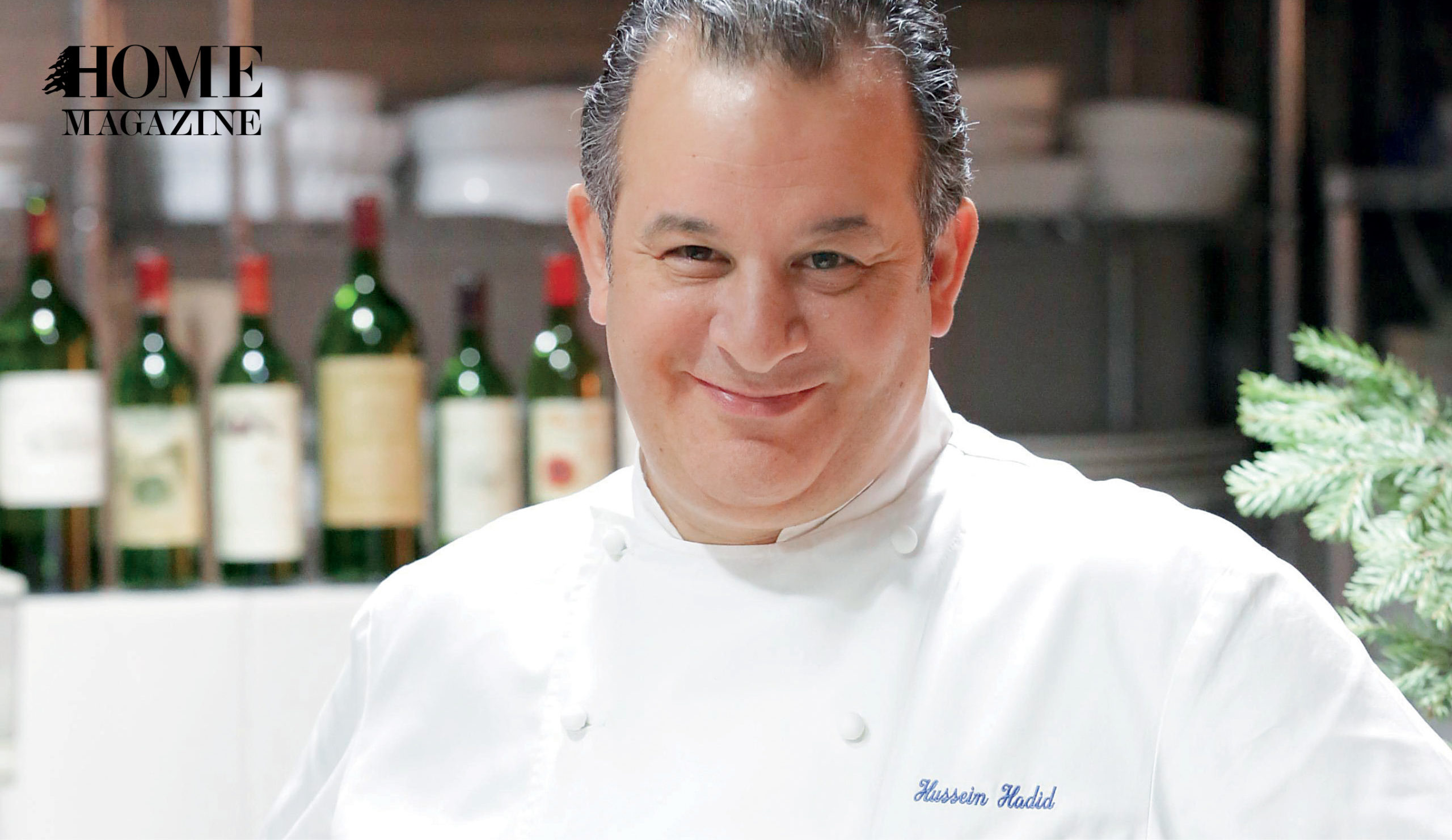
Having grown up in the town of Dubrovnik, Croatia, I appreciate having been raised in a farming family with health conscious parents. Every HOME had a garden and all members of the family tended to them. Just about everything on our dinner table came from the garden: the swiss chard stew, the mashed potatoes, the tomato and onion salad, not to mention the tasty red wine—also from grapes grown on the land. The importance of healthy foods and agriculture has continued to be a driving force in my career and lifestyle as a chef of responsible and eco-friendly cooking without using preservatives. As a member of Chef ’s Goutatoo Geneva, an organization of chefs whose main focus is to preserve rural agriculture, I have been encouraged to further utilize these principles in my work in Lebanon.
Living in Beirut has allowed me to continue enjoying nature’s bounty. Lebanon’s geography—a mixture of mountainous land, the fertile Bekaa Valley and the coastal strip—allows for several growing seasons. Lebanon’s moderate climate, rich soil and abundant sunshine creates an ideal environment for gardening. Lebanon has approximately 300 sunny days in a year with more than eight to nine hours of daily sunshine. That’s a beautiful amount of rays and a wealth of fresh food. The city dweller’s close proximity to rural regions makes this lifestyle very accessible.
Whether a kitchen garden for your HOME or a culinary garden for a restaurant, HOMEgrown produce is a great way to give your culinary creations fresher flavors. Since the ingredients are freshly picked nearby, they retain their flavors. You don’t know how long vegetables have been sitting on a grocery store shelf, where they came from, nor what pesticides and herbicides may have been used in their production. Comparing a store tomato to a garden tomato is like comparing apples to wallpaper glue.
Urban agriculture is making a comeback. This can be seen in window boxes, rooftop gardens or even plants on the balcony. It doesn’t take very much space to grow fresh vegetables and herbs because just a few planters can grow a wide variety. The plants themselves will stay small because you’ll constantly be using the leaves for cooking. Fancy some fresh basil on your pasta?
People who have their hands in the growth process of their food tend to eat more vegetables, fruits and fresh herbs. When you watch tomatoes mature from small green buds to full, blush, red fruits, you are more likely to slice them up into a salad or incorporate them into sauces. Tending to a garden can bring a tremendous sense of accomplishment and fulfillment. When you grow your own food, you savor it more because of the effort it took to get it to the table.
Farmers’ markets and organic vegetable suppliers are becoming more and more popular in Beirut with the trend of going back to basics: know your food, know your producer. Souk el Tayeb and Badaro Urban Farmers offer a wonderful opportunity to get to know producers, to access HOME grown and organic foods and to enjoy the farmers’ market lifestyle.
Health
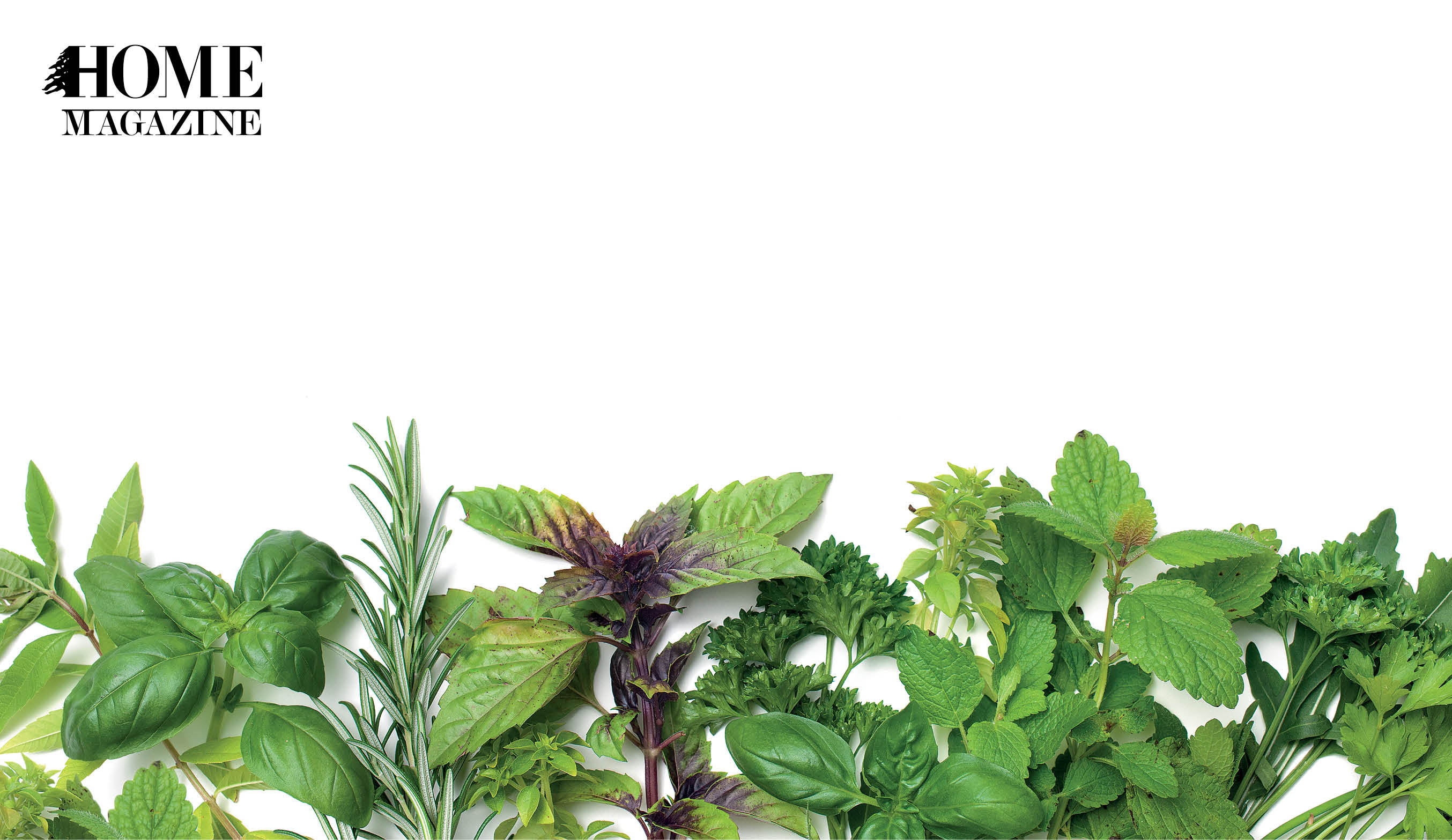
While your garden can’t replace the pharmacy for everything, you can create a garden full of delicious and healthful herbs. The herbs with the most flavor also contain a dose of antioxidants and other essential vitamins and nutrients. The tastiest and most beneficial herbs which can easily be grown at HOME include: basil, chamomile, cilantro, mint, oregano, parsley, sage, rosemary and thyme. Since HOME gardening is normally organic, you avoid the use of all the synthetic chemicals and the health hazards related to those chemicals, and it’s safer for humans to consume, especially children.
Children are particularly susceptible to the effects of pesticide exposure because they have developing organ systems that are more vulnerable and less able to detoxify toxic chemicals.
Environment
Produce harvested in your garden or purchased from a local producer’s garden is fresher, more nutritious and better tasting then produce that is sometimes packed before it is ripe and shipped to supermarkets. We recognize the benefit to our health but often overlook how gardening contributes to environmental conservation. Less packaging means less waste in landfills and carbon emissions that are a result of the transportation of goods from the farm to the store to the kitchen.
Beit El Qamar, a bed-and-breakfast and restaurant in the Chouf mountains, started a kitchen garden to supplement their buffet style menu. The garden is entirely free from all pesticides, herbicides and preservatives. With three full-time gardeners, the garden now supplies the restaurant with 80 percent of its ingredients list. The summer season offers vegetables such as tomatoes, eggplants, bell peppers, cucumbers, Armenian cucumbers (maktee), ocra, green beans, pumpkin, lettuce, radishes and chick peas. Customers not only taste stronger flavors on their plates, but they also experience the satisfaction of seeing exactly where their food comes from. Tabbouleh made with fresh parsley, tomatoes and onions is the most refreshing in the world.
The winter season offers cabbage, cauliflower, broccoli, spinach, dandelion, purslane (baqleh), watercress (rshad), swiss chard (selek), kale and hindbeh.
Fresher, better tasting, healthier and eco-friendly… our grandparents did it and so can we!
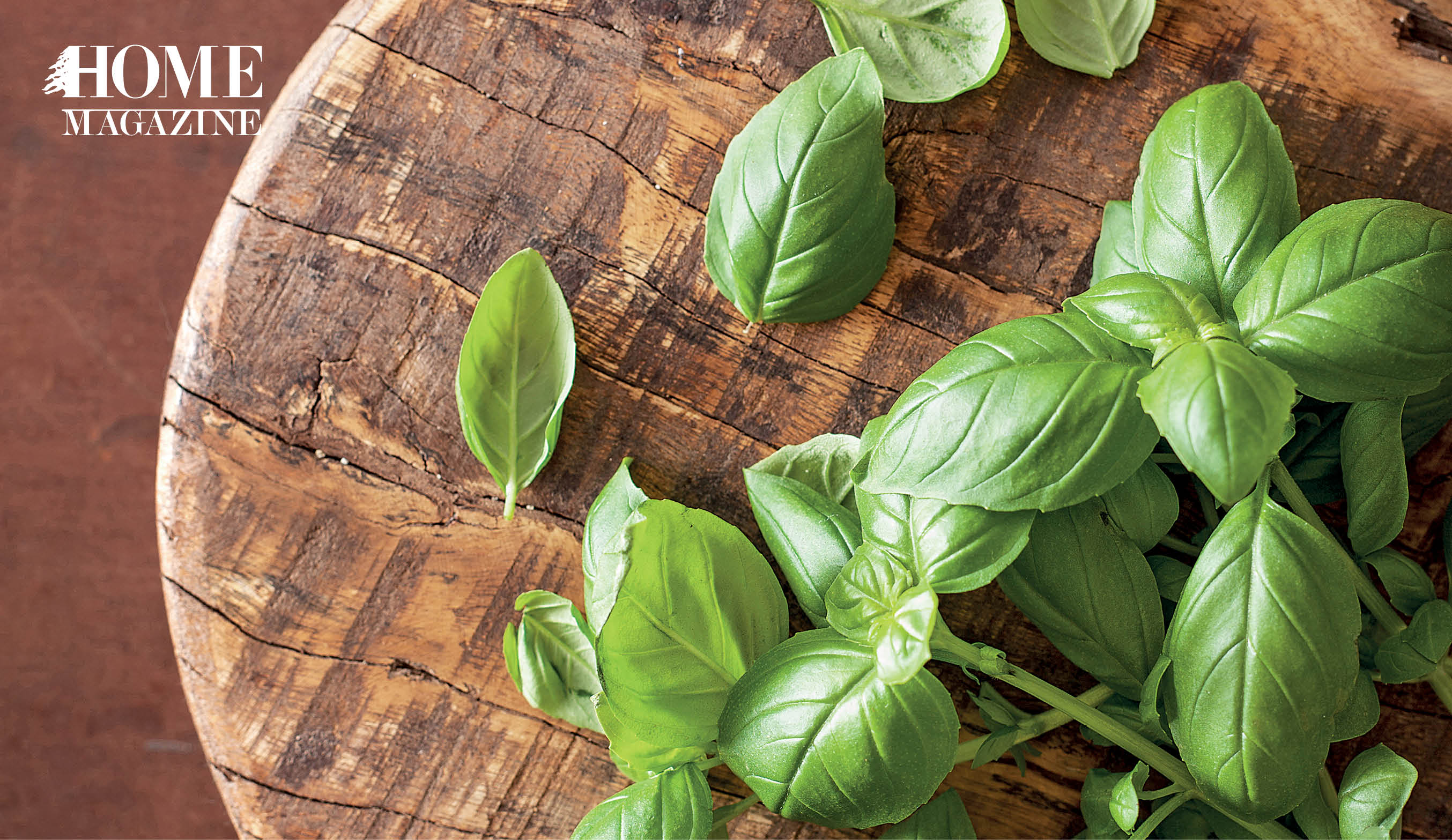
Growing your own basil Basil is one of the easiest herbs to grow at HOME. It’s as simple as preparing a few plastic pots; even a 1.5-liter plastic water bottle will do. Cut and remove the bottleneck, poke a few drainage holes and voilà! Mix dry soil with water until you get a moist mixture. Fill the container with the soil mixture to approximately 5 centimeters below the top. You can find basil seeds at most garden supply shops. Place four or five seeds in each container then sprinkle approximately 2-3 centimeters of dry soil over them. With a spray bottle, mist the seeds so they mix well with the soil. The seeds need to be in good contact with the soil to grow. Cover the pot with a dome-shaped, clear container to retain moisture and place the container in a warm area (ideally 22 degrees). Seedlings should sprout in about three to five days. They won’t need any more water until they have sprouted.
Here comes the fun part! It’s exciting to see the seeds break soil. Your TLC is working. Once the seedlings have sprouted, remove the cover. They will need as much sunlight as they can get to help them grow. Water them twice weekly and make sure the area has good air circulation or the seedlings may mold.
To help your seedling grow into a flourishing plant with lots of leaves, it’s important to prune it often and early.
The first time you will do this is when your plant is near 15 centimeters tall with three or more leaves. The first set of leaves are the seed leaves; ignore them as they will fall off on their own. There will be a top leaf and two sets on either side of the main stem. You can cut off the top leaf which will allow the remaining leaves to stem out into two stems. Continue to prune as your plant grows. Now we’re ready to savor our fragrant basil.
[instalink id=”13″]
Cherry tomato & basil salad
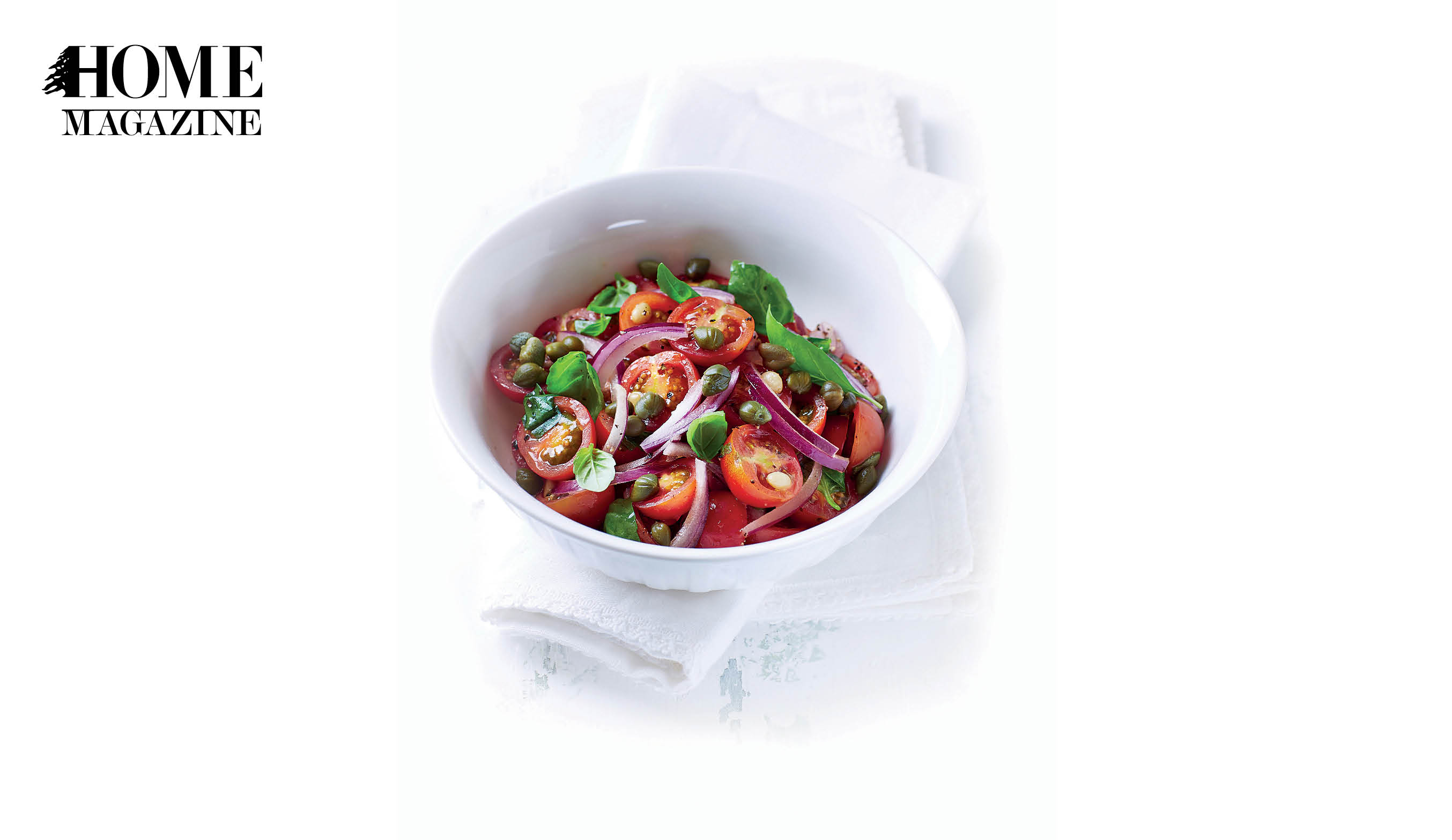
550 grams cherry tomatoes, halved
30 grams red onions, chopped
15 grams pine nuts, browned
35 grams dried currants
5 or 6 large basil leaves
Sauce
5 grams olive oil
5 grams salt
5 grams apple cider
5 grams pomegranate molasses
Sahtein!
By Vesso Mrakic
Chef Goutatoo, Culinary Consultant
For more info: Instagram: @chefvessomrakic


HOMEland THEMES
Coming Soon
HOMEland Events & Collaborations
Coming Soon
 Signature Boutique